

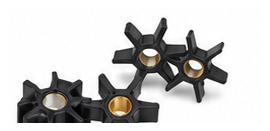
Impeller Only
Replace only the rubber impeller when the pump body is still healthy.
Give buyers a clear path from routine maintenance to full replacement, with fitment support at every step.

The three-layer relationship appears on every conversion page so buyers understand the upgrade path.
Replace only the rubber impeller when the pump body is still healthy.
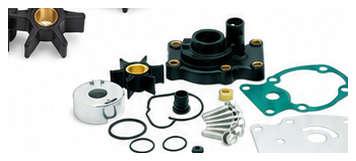
Choose a kit when gaskets, seals, plates, and hardware should be serviced together.
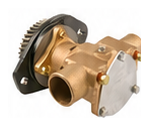
Replace the full assembly when housing wear, cracks, or shaft leaks are present.
Shop directly, or request confirmation before ordering.
Quick notes for checking old part numbers, comparing repair levels, and preparing a clearer quote request.
Outboard impeller selection starts with the old PN, brand, horsepower, and physical impeller details. A real request for outboard water pump impellers may start with a phone photo, a copied number, or the failed part on a workbench. The buyer should choose the lowest service option that still covers the visible damage and fit risk for outboard water pump impellers.
Read Guide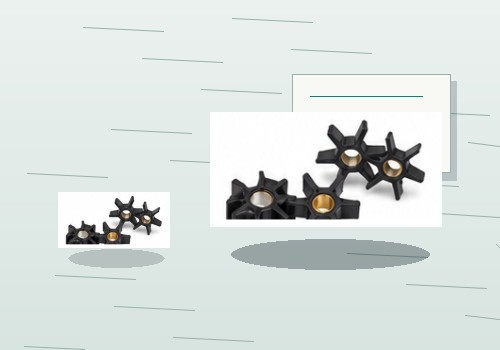
Explain what information buyers should submit when a product match is uncertain. A buyer looking for a short answer before sending a quote request often brings an old number, a photo, or a symptom first; the missing application detail decides whether fit check for marine pump parts can move straight to a product record.
Read Guide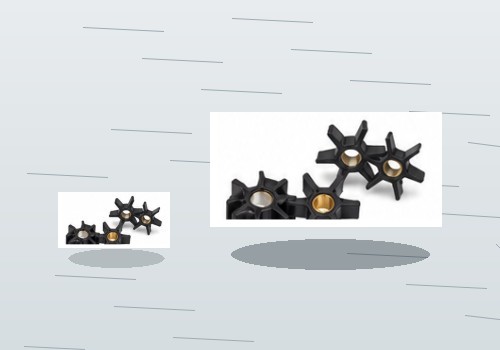
When a buyer hesitates between a housing part and a complete pump, the decision should compare body condition, labor risk, and repeat-failure history. A real request for complete pump vs pump housing: cost and risk decision may start with a phone photo, a copied number, or the failed part on a workbench. Keep repair level ahead of price until the complete pump vs pump housing: cost and risk decision damage is clear.
Read Guide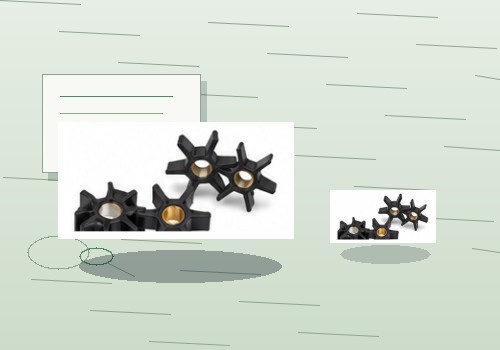
Sand, mud, and silt can wear impellers, plates, cups, and housings faster than normal seasonal use. A real request for after-sand or mud operation pump inspection may start with a phone photo, a copied number, or the failed part on a workbench. The maintenance record should explain what was replaced and why.
Read Guide
Related service parts support cooling, exhaust, and drivetrain maintenance around the same marine service workflow. Read the old number beside photos, repair level, quantity, and destination before confirming the match. The practical habit is to read the SHCTR PN, Replaces line, and product condition together before quoting exhaust bellows, propeller hub kits, and other service parts.
Read Guide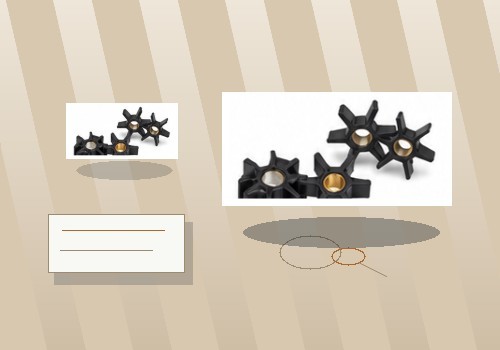
Service teams can reduce downtime by keeping commonly matched SHCTR PNs, impellers, repair kits, and pump assemblies ready. Read the old number beside photos, repair level, quantity, and destination before confirming the match. This treats spare parts planning for marine service teams as a record-building habit, not just a calendar reminder.
Read Guide