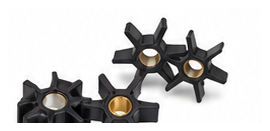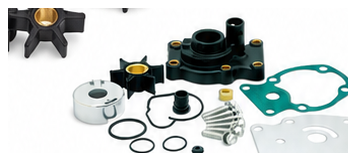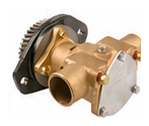

Read the whole water path before replacing the visible wear part again. Intake blockage, air leaks, missing rubber fragments, housing scoring, gasket failure, and downstream restriction can all make a correct impeller look wrong. Photos of the failed part and empty housing are often the fastest evidence. Keep the source number, quantity, buyer intent, and unresolved wrong part ordered from a similar OEM number question in the support record so the next reply is specific.
A support request that starts with a symptom instead of a clean part number often brings an old number, a photo, or a symptom first; the missing application detail decides whether wrong part ordered from a similar OEM number can move straight to a product record. In Wrong Part Ordered From a Similar OEM Number, the practical work is to identify the part, understand the repair level, and leave enough evidence for the next buyer or technician to trust the answer.
Notes from a Real Failure Check
The image that matters most for wrong part ordered from a similar OEM number usually shows the old part as it came out of the pump. In a wrong part ordered from a similar OEM number case, it is the removed part beside the pump body, with rubber dust, scoring, missing blades, leakage marks, or a wet gasket path visible enough to explain the symptom. The common mistake in wrong part ordered from a similar OEM number is letting price or speed decide the repair level before the damaged part has been read properly.
- Look for the wrong part ordered from a similar OEM number failure mark before choosing a higher service level.
- Keep the old part and the empty housing in the same support thread for wrong part ordered from a similar OEM number.
- Use the wrong part ordered from a similar OEM number support record as the final catalog anchor only after the symptom evidence agrees.
Parts Desk Answer
Read the whole water path in Wrong Part Ordered From a Similar OEM Number before replacing the visible wear part again. In Wrong Part Ordered From a Similar OEM Number, intake blockage, air leaks, missing rubber fragments, housing scoring, gasket failure, and downstream restriction can all make a correct impeller look wrong. Photos of the failed part and empty housing are often the fastest evidence in this part-number lookup symptom check. Keep the source number, quantity, buyer intent, and unresolved the part-number lookup failure note question in the support record so the next reply is specific.
A Product Record Worth Comparing
When the evidence is incomplete, avoid forcing the part-number lookup pump check answer onto one nearby product record. Keep the old number, visible condition, and repair level for the part-number lookup repair decision together until a real SHCTR record can be confirmed.
One practical habit in this part-number lookup symptom check is to record why the part-number lookup failure note support record was accepted or rejected. That the part-number lookup pump check reason is often more useful on the next reorder than the number alone.
What the Part Number Lookup Repair Decision Is Checking
A catalog lookup only opens the conversation. The useful answer in this part-number lookup symptom check confirms product family, repair level, application, and buyer intent from the same evidence trail.
- Confirm the old number and the product family for the part-number lookup failure note before comparing price or lead time.
- Check whether the part-number lookup pump check calls for a wear part, a kit, a housing, or a complete pump assembly.
- Use photos and dimensions when the number behind the part-number lookup repair decision is incomplete or the old part is damaged.
Notes from Repeated Support Cases
When this part-number lookup symptom check is handled too quickly, the recommendation can drift from the actual service problem. Keep the symptom, old part condition, and source-number evidence visible until the part-number lookup failure note product ID is final.
- Do not let a partial number override a conflicting product image or repair level for the part-number lookup pump check.
- Do not merge different source-brand replacements in the part-number lookup repair decision just because the SHCTR display PN looks similar.
- Do not quote a complete assembly for this part-number lookup symptom check when the evidence only confirms a wear part, unless the buyer reports body or shaft damage.
- Do not hide uncertainty in the part-number lookup failure note service record; mark what still needs a photo, measurement, or horsepower confirmation.
Numbers, Photos, and Repair Level Evidence
When no direct example is shown for the part-number lookup pump check, keep the evidence order practical: product family first, then SHCTR PN, Replaces line, alternate catalog numbers, application, and photos.
- Record the old part number for the part-number lookup repair decision exactly as found, then search it again without hyphens or spaces.
- Compare brand, horsepower, pump family, and the visible shape of the removed part before confirming this part-number lookup symptom check.
- Escalate to a fit check when the part-number lookup failure note cannot be confirmed from one number alone.
When the Evidence Is Still Incomplete
Use Request Fit Check on the part-number lookup pump check when the number, photo, or repair level leaves one important question open. A useful part-number lookup repair decision request collects engine brand, horsepower, old part photos, quantity, country, and intended use before price or shipment is confirmed.
- Old part number and SHCTR PN point to the same product family for this part-number lookup symptom check.
- Brand, horsepower, and application do not conflict with the part-number lookup failure note product page.
- The image and dimensions for the part-number lookup pump check look consistent with the removed part.
- Water intake is clear and hoses are not collapsed while checking the part-number lookup repair decision.
- Impeller vanes are not cracked, missing, or permanently set during this part-number lookup symptom check.
- Pump housing and cover plate are not scored enough to lose seal for the part-number lookup failure note.
- No air leak, missing fragment, or downstream blockage remains after the part-number lookup pump check replacement.
Working Sequence for the Part Number Lookup Repair Decision
Use this sequence when turning this part-number lookup symptom check into an actual product decision or support reply.
- Start the part-number lookup failure note with the buyer supplied number and normalize common spacing or hyphen differences.
- Compare the catalog Replaces line for the part-number lookup pump check with the old part, manual, or reference image.
- Review the product family and repair level before deciding whether the part-number lookup repair decision should be quoted, sold, or fit-checked.
- Start this part-number lookup symptom check with intake blockage, hose condition, and obvious leaks before removing parts.
- Inspect the impeller and housing for wear, scoring, cracks, or missing rubber fragments while tracing the part-number lookup failure note.
- Move up to repair kit, housing, or complete pump when partial replacement does not solve the part-number lookup pump check.
Information Worth Keeping
Good records turn the part-number lookup repair decision from a repeated investigation into a repeatable workflow. In this part-number lookup symptom check, even one note about horsepower, port direction, housing wear, or a superseded number can prevent a future wrong order.
- Save the resolved example for the part-number lookup failure note as the final SHCTR PN and source number when it is part of the final recommendation.
- Keep buyer photos or measurements attached to the part-number lookup pump check quote when the number was incomplete.
- Record whether the part-number lookup repair decision ended as cart-ready purchase, quote-only pricing, or fit-check confirmation.
- Preserve the quantity and country when lead time or packing weight may affect the next part-number lookup symptom check quote.
Field Notes for the Part Number Lookup Failure Note
Older buyer requests around the part-number lookup pump check often arrive with one useful clue and several missing details. The safest internal habit for the part-number lookup repair decision is to preserve the clue, add missing evidence, and keep the recommendation tied to the product record.
- Do not merge different source brands into one this part-number lookup symptom check answer unless the replacement line and dimensions support it.
- Treat spelling, spaces, and hyphens as lookup noise for the part-number lookup failure note, but treat brand and repair level as fitment signals.
- Keep the final SHCTR PN visible in the part-number lookup pump check service record so the next replacement can be found faster.
Top questions
What evidence should start the wrong part ordered from a similar OEM number?
Check intake blockage, hose collapse, missing fragments, air leaks, housing wear, gasket path, and downstream restriction before blaming the replacement. Keep the selected SHCTR part / the matching OEM or cross-reference number with the buyer photos or measurements when the match was not obvious.
What usually goes wrong when checking wrong part ordered from a similar OEM number?
Weak flow can remain when the pump cannot seal, the intake is restricted, old rubber fragments block the path, or the service level was too shallow. The brand clue, the old number, and the product image should all point in the same direction.
Which product details matter most for wrong part ordered from a similar OEM number?
Move higher when repeated symptoms show body wear, seal failure, damaged housing surfaces, or a complete assembly problem instead of isolated rubber wear. If one signal does not agree, ask for a fit check before confirming price, lead time, or checkout.
When is more evidence needed for wrong part ordered from a similar OEM number?
Send the failed part, empty pump body, cover plate, ports, mounting face, and any stamped numbers. Symptom-only messages usually require follow-up. A short support note is enough as long as it explains what was confirmed and what remains uncertain.
How should the final wrong part ordered from a similar OEM number decision be recorded?
Save the cause beside the selected SHCTR part, the matching OEM or cross-reference number, and the repair level used, so a repeat symptom can be compared against the earlier solution. The brand clue, the old number, and the product image should all point in the same direction.