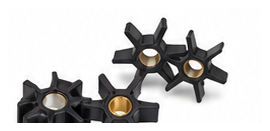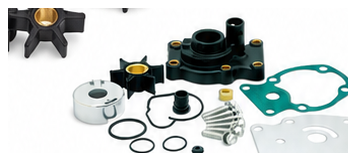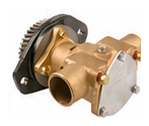

Read the whole water path before replacing the visible wear part again. Intake blockage, air leaks, missing rubber fragments, housing scoring, gasket failure, and downstream restriction can all make a correct impeller look wrong. Photos of the failed part and empty housing are often the fastest evidence. Keep the source number, quantity, buyer intent, and unresolved rubber dust or burn marks inside pump housing question in the support record so the next reply is specific.
Start with the part in hand for rubber dust or burn marks inside pump housing, then write down the old number, visible wear, and repair depth before choosing the SHCTR record. The product choice should come after the failure evidence agrees.
A Practical Parts Desk Reading
The useful reading of Rubber Dust or Burn Marks Inside Pump Housing is practical rather than decorative. Rubber Dust or Burn Marks Inside Pump Housing should leave enough product evidence for a later quote, reorder, or fit-check reply to make sense.
- Start rubber dust or burn marks inside pump housing with the old number and the visible part condition.
- Compare source brand, repair level, and product photo before price for rubber dust or burn marks inside pump housing.
- Keep the rubber dust or burn marks inside pump housing support record tied to the buyer evidence for future reorders.
Short Answer
Read the whole water path in Rubber Dust or Burn Marks Inside Pump Housing before replacing the visible wear part again. In Rubber Dust or Burn Marks Inside Pump Housing, intake blockage, air leaks, missing rubber fragments, housing scoring, gasket failure, and downstream restriction can all make a correct impeller look wrong. Photos of the failed part and empty housing are often the fastest evidence in Rubber Dust or Burn Marks Inside Pump Housing. Keep the source number, quantity, buyer intent, and unresolved rubber dust or burn marks inside pump housing question in the support record so the next reply is specific.
The Example That Keeps This Practical
When the evidence is incomplete, avoid forcing this housing symptom check answer onto one nearby product record. Keep the old number, visible condition, and repair level for the housing failure note together until a real SHCTR record can be confirmed.
For the housing pump check, the open question is often small but important: one photo angle, one horsepower value, one gasket face, or one source number can change the answer.
Housing Clues That Change the Order
New rubber will not rescue the housing repair decision job if the housing is deeply scored, distorted, or corroded. Housing inspection in this housing symptom check should happen before the buyer decides that one small part will restore cooling flow.
- Look for grooves, corrosion, distortion, and worn cup or insert surfaces when checking the housing failure note.
- Check whether the cover plate has lost its flat sealing surface.
- Move to a housing or kit in the housing pump check when the old body can damage the new impeller quickly.
Misreads to Catch Early
When the housing repair decision is handled too quickly, the recommendation can drift from the actual service problem. Keep the symptom, old part condition, and source-number evidence visible until this housing symptom check product ID is final.
- Do not let a partial number override a conflicting product image or repair level for the housing failure note.
- Do not merge different source-brand replacements in the housing pump check just because the SHCTR display PN looks similar.
- Do not quote a complete assembly for the housing repair decision when the evidence only confirms a wear part, unless the buyer reports body or shaft damage.
- Do not hide uncertainty in this housing symptom check service record; mark what still needs a photo, measurement, or horsepower confirmation.
Numbers, Photos, and Repair Level Evidence
When no direct example is shown for the housing failure note, keep the evidence order practical: product family first, then SHCTR PN, Replaces line, alternate catalog numbers, application, and photos.
- Record the old part number for the housing pump check exactly as found, then search it again without hyphens or spaces.
- Compare brand, horsepower, pump family, and the visible shape of the removed part before confirming the housing repair decision.
- Escalate to a fit check when this housing symptom check cannot be confirmed from one number alone.
Before Confirming the Match
A fit check for the housing failure note is useful when the evidence points in the right direction but does not yet close the loop. Those details turn the housing pump check from a guess into a supportable quote: engine brand, horsepower, photos, quantity, country, and intended use.
- Old part number and SHCTR PN point to the same product family for the housing repair decision.
- Brand, horsepower, and application do not conflict with this housing symptom check product page.
- The image and dimensions for the housing failure note look consistent with the removed part.
- Water intake is clear and hoses are not collapsed while checking the housing pump check.
- Impeller vanes are not cracked, missing, or permanently set during the housing repair decision.
- Pump housing and cover plate are not scored enough to lose seal for this housing symptom check.
- No air leak, missing fragment, or downstream blockage remains after the housing failure note replacement.
Working Sequence for the Housing Pump Check
Use this sequence when turning the housing repair decision into an actual product decision or support reply.
- Start this housing symptom check with the buyer supplied number and normalize common spacing or hyphen differences.
- Compare the catalog Replaces line for the housing failure note with the old part, manual, or reference image.
- Review the product family and repair level before deciding whether the housing pump check should be quoted, sold, or fit-checked.
- Start the housing repair decision with intake blockage, hose condition, and obvious leaks before removing parts.
- Inspect the impeller and housing for wear, scoring, cracks, or missing rubber fragments while tracing this housing symptom check.
- Move up to repair kit, housing, or complete pump when partial replacement does not solve the housing failure note.
What to Save for the Next Order
The next buyer researching the housing pump check may not have the same photo or manual page, so the useful record is the sold item plus the evidence that made it safe to recommend.
- Save the resolved example for the housing repair decision as the final SHCTR PN and source number when it is part of the final recommendation.
- Keep buyer photos or measurements attached to this housing symptom check quote when the number was incomplete.
- Record whether the housing failure note ended as cart-ready purchase, quote-only pricing, or fit-check confirmation.
- Preserve the quantity and country when lead time or packing weight may affect the next the housing pump check quote.
Why Housing Notes Belong In the Product File
Housing condition is usually a photo-and-surface question, not just a lookup question. Saving photos and wear notes beside the housing repair decision order keeps the next service conversation from starting over.
- Use side-light photos in this housing symptom check to reveal scoring that is invisible in a front view.
- Ask whether the housing failure note failure followed sand, silt, overheating, or dry running.
- Keep the housing pump check repair recommendation tied to the observed surface condition.
Top questions
Where should rubber dust or burn marks inside pump housing confirmation start?
Deep grooves, corrosion, distorted cups, cracked bodies, or a cover surface that cannot seal are strong reasons to replace the housing or move up a repair level. Keep the selected SHCTR part / the matching OEM or cross-reference number with the buyer photos or measurements when the match was not obvious.
Where does rubber dust or burn marks inside pump housing need a closer check?
Not reliably. The part number identifies the family, but photos and surface inspection show whether the old body will damage the new impeller. The brand clue, the old number, and the product image should all point in the same direction.
Which product details matter most for rubber dust or burn marks inside pump housing?
A scored or distorted housing can reduce seal, create heat, and wear the new impeller quickly even when the replacement rubber part is correct. If one signal does not agree, ask for a fit check before confirming price, lead time, or checkout.
What should pause the order for rubber dust or burn marks inside pump housing?
Send the empty housing, cover plate, cup area, port side, and any scoring under side light. Those photos are more useful than a front-only product shot. A short support note is enough as long as it explains what was confirmed and what remains uncertain.
How should the final cause be saved for rubber dust or burn marks inside pump housing?
Record whether the selected SHCTR part was chosen because of visible wear, leakage, corrosion, or because the matching OEM or cross-reference number confirmed the replacement family. The brand clue, the old number, and the product image should all point in the same direction.