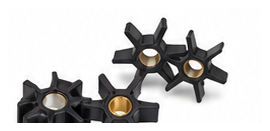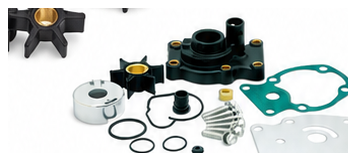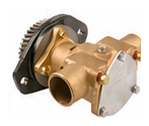

A real request for quote-only or cart-ready marine pump parts selection may start with a phone photo, a copied number, or the failed part on a workbench. The buyer should choose the lowest service option that still covers the visible damage and fit risk for quote-only or cart-ready marine pump parts selection. Start the quote-only or cart-ready marine pump parts selection decision with the problem the buyer is actually trying to solve, then choose the lowest service option that still covers the damage. Here, that usually means separating normal rubber wear from seal, plate, housing, or full-pump risk.
Start with the part in hand for how to choose quote-only or cart-ready marine pump parts, then write down the old number, visible wear, and repair depth before choosing the SHCTR record. The buyer should choose the lowest service option that still covers the visible damage and fit risk for quote-only or cart-ready marine pump parts selection.
For how to choose quote-only or cart-ready marine pump parts, the open question is often small but important: one photo angle, one horsepower value, one gasket face, or one source number can change the answer.
Parts Desk Answer
A real request for quote-only or cart-ready marine pump parts selection may start with a phone photo, a copied number, or the failed part on a workbench. The buyer should choose the lowest service option that still covers the visible damage and fit risk for quote-only or cart-ready marine pump parts selection. Start the quote-only or cart-ready marine pump parts selection decision with the problem the buyer is actually trying to solve, then choose the lowest service option that still covers the damage. In How to Choose Quote-Only or Cart-Ready Marine Pump Parts, that usually means separating normal rubber wear from seal, plate, housing, or full-pump risk.
A Product Record Worth Comparing
For how to choose quote-only or cart-ready marine pump parts, an empty product example is better than a forced one. The buyer still needs a source number, photo, repair level, and service context for how to choose quote-only or cart-ready marine pump parts before support names the final SHCTR record.
What Makes a Quote Reply Faster
A quote request for How to Choose Quote-Only or Cart-Ready Marine Pump Parts moves faster when it includes the old part photo, the number on the part or manual, quantity, country, and the reason the buyer is unsure. Without that how to choose quote-only or cart-ready marine pump parts context, support can only ask a second round of questions. A real request for quote-only or cart-ready marine pump parts selection may start with a phone photo, a copied number, or the failed part on a workbench. The buyer should choose the lowest service option that still covers the visible damage and fit risk for quote-only or cart-ready marine pump parts selection.
- Separate price confirmation from fit confirmation in the how to choose quote-only or cart-ready marine pump parts support note.
- Keep quantity and destination country close to the selected how to choose quote-only or cart-ready marine pump parts product ID.
- Attach photos before using the how to choose quote-only or cart-ready marine pump parts support record as the final recommendation.
What This Quote Decision Is Checking
A catalog lookup only opens the conversation. The useful answer in the quote repair choice confirms product family, repair level, application, and buyer intent from the same evidence trail.
- Confirm the old number and the product family for the quote service check before comparing price or lead time.
- Check whether the quote service record calls for a wear part, a kit, a housing, or a complete pump assembly.
- Use photos and dimensions when the number behind this quote decision is incomplete or the old part is damaged.
Numbers, Photos, and Repair Level Evidence
When no direct example is shown for the quote repair choice, keep the evidence order practical: product family first, then SHCTR PN, Replaces line, alternate catalog numbers, application, and photos.
- Record the old part number for the quote service check exactly as found, then search it again without hyphens or spaces.
- Compare brand, horsepower, pump family, and the visible shape of the removed part before confirming the quote service record.
- Escalate to a fit check when this quote decision cannot be confirmed from one number alone.
Where Wrong Fit Decisions Usually Start
The most expensive mistake in the quote repair choice is treating one familiar number as the whole answer. In the quote service check, the final decision still needs product family, repair level, source brand, and physical evidence.
- Do not let a partial number override a conflicting product image or repair level for the quote service record.
- Do not merge different source-brand replacements in this quote decision just because the SHCTR display PN looks similar.
- Do not quote a complete assembly for the quote repair choice when the evidence only confirms a wear part, unless the buyer reports body or shaft damage.
- Do not hide uncertainty in the quote service check service record; mark what still needs a photo, measurement, or horsepower confirmation.
Working Sequence for the Quote Service Record
Use this sequence when turning this quote decision into an actual product decision or support reply.
- Start the quote repair choice with the buyer supplied number and normalize common spacing or hyphen differences.
- Compare the catalog Replaces line for the quote service check with the old part, manual, or reference image.
- Review the product family and repair level before deciding whether the quote service record should be quoted, sold, or fit-checked.
- Identify the current part number from the old part, service manual, or product label before deciding on this quote decision.
- Decide whether the quote repair choice needs routine impeller service, repair kit service, housing work, or complete pump replacement.
- Use category filters for the product family, then verify the Replaces and Cross Reference lines tied to the quote service check.
- Request a fit check when brand, horsepower, image, or repair-level evidence does not narrow the quote service record enough.
Quote and Fit Check Boundary
The fit-check point in this quote decision is simple: support should know what is confirmed and what still blocks the order. Before support confirms the quote repair choice, the buyer should send the details that change risk: engine brand, horsepower, old part photos, quantity, country, and intended use.
- Old part number and SHCTR PN point to the same product family for the quote service check.
- Brand, horsepower, and application do not conflict with the quote service record product page.
- The image and dimensions for this quote decision look consistent with the removed part.
- Product category matches the service level described by the quote repair choice.
- Replaces line matches the old part, manual number, or buyer-supplied source number for the quote service check.
- Brand, horsepower, and physical product image are consistent with the quote service record.
- Quantity, sales mode, and lead-time needs for this quote decision are clear before checkout or quote.
What to Save for the Next Order
Good records turn the quote repair choice from a repeated investigation into a repeatable workflow. In the quote service check, even one note about horsepower, port direction, housing wear, or a superseded number can prevent a future wrong order.
- Save the resolved example for the quote service record as the final SHCTR PN and source number when it is part of the final recommendation.
- Keep buyer photos or measurements attached to this quote decision quote when the number was incomplete.
- Record whether the quote repair choice ended as cart-ready purchase, quote-only pricing, or fit-check confirmation.
- Preserve the quantity and country when lead time or packing weight may affect the next the quote service check quote.
Field Notes for the Quote Service Record
Older buyer requests around this quote decision often arrive with one useful clue and several missing details. The safest internal habit for the quote repair choice is to preserve the clue, add missing evidence, and keep the recommendation tied to the product record.
- Do not merge different source brands into one the quote service check answer unless the replacement line and dimensions support it.
- Treat spelling, spaces, and hyphens as lookup noise for the quote service record, but treat brand and repair level as fitment signals.
- Keep the final SHCTR PN visible in this quote decision service record so the next replacement can be found faster.
Top questions
Which clue should start the quote-only or cart-ready order path check?
Save the buyer-supplied number, the confirmed source brand, product family, selected SHCTR PN, and the reason the match was accepted. That record makes the next quote or reorder faster. If one signal does not agree, ask for a fit check before confirming price, lead time, or checkout.
What warning sign changes the answer for quote-only or cart-ready order path?
the selected SHCTR part is useful because it connects the visible SHCTR product identity with the matching OEM or cross-reference number. The same habit should be used on any related item before checkout or quote. A short support note is enough as long as it explains what was confirmed and what remains uncertain.
What should the linked product prove for quote-only or cart-ready order path?
A photo becomes stronger when the number is partial, the old part is damaged, or several products share a similar number family. Shape, port direction, blade count, and gasket path can settle the difference. This turns the answer into a reusable record instead of a one-time email reply.
When is more evidence needed for quote-only or cart-ready order path?
Do not hide uncertainty in the service record. Mark whether the missing item is horsepower, pump body photo, measurement, source brand, quantity, or intended use. Keep the selected SHCTR part / the matching OEM or cross-reference number with the buyer photos or measurements when the match was not obvious.
What should be saved for the next reorder for quote-only or cart-ready order path?
Ask for a fit check when how to choose quote-only or cart-ready marine pump parts cannot be confirmed from one number and one image together. The request should keep the final product ID tied to the quote. This turns the answer into a reusable record instead of a one-time email reply.